

Deputy Prime Minister lays foundation stone for Al Dur Solar Power Plant Project
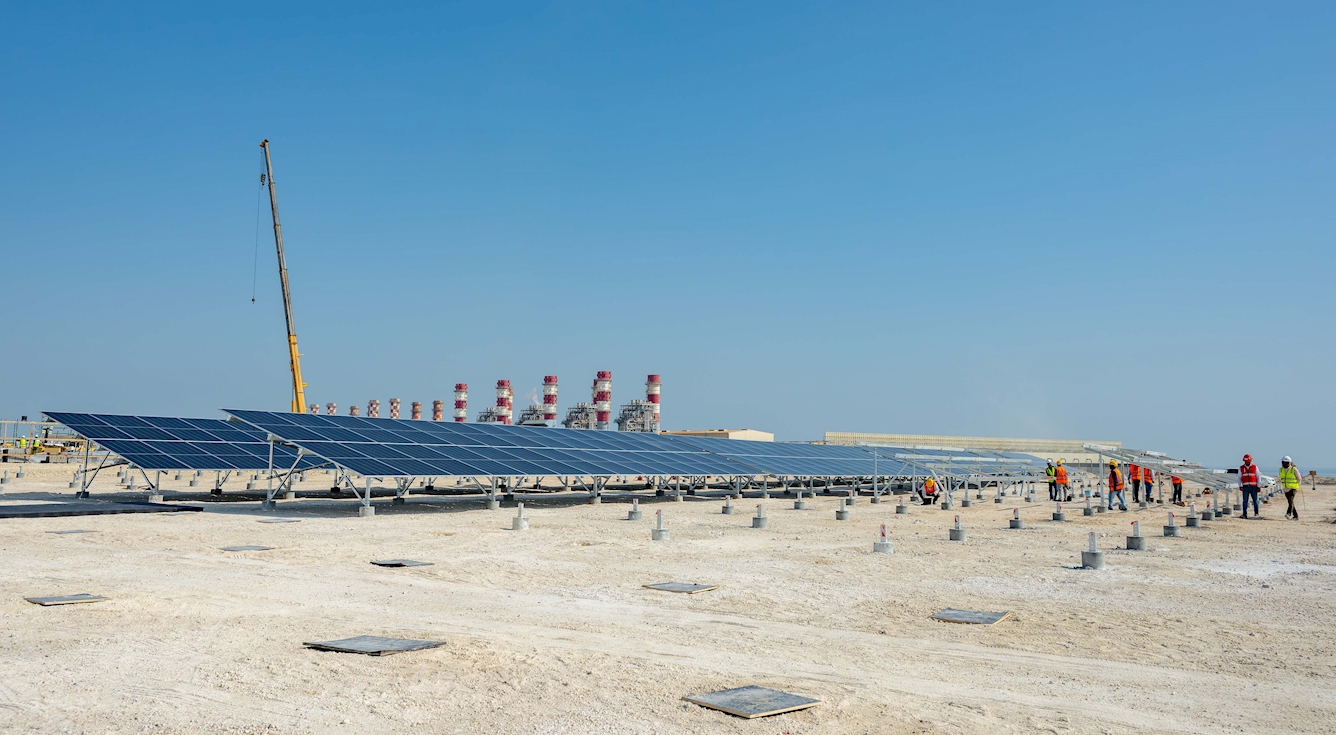
Deputy Prime Minister lays foundation stone for Al Dur Solar Power Plant Project
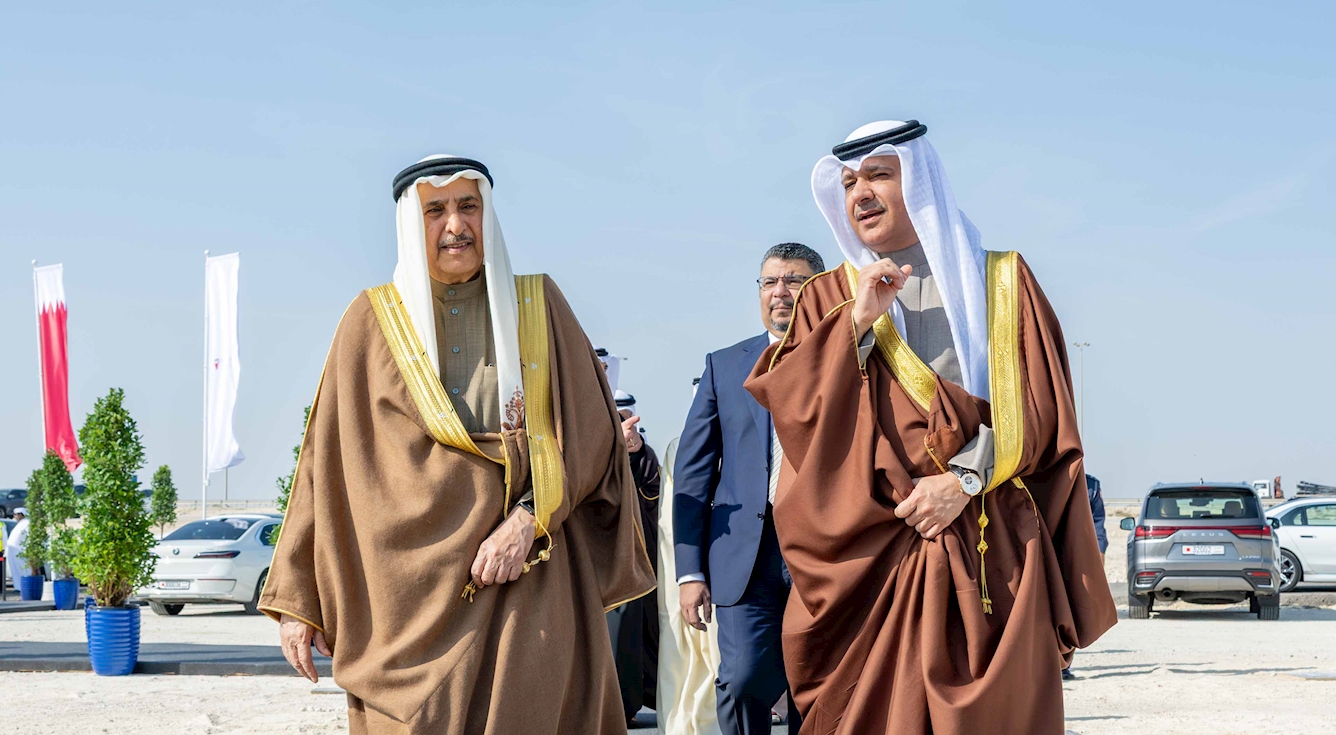
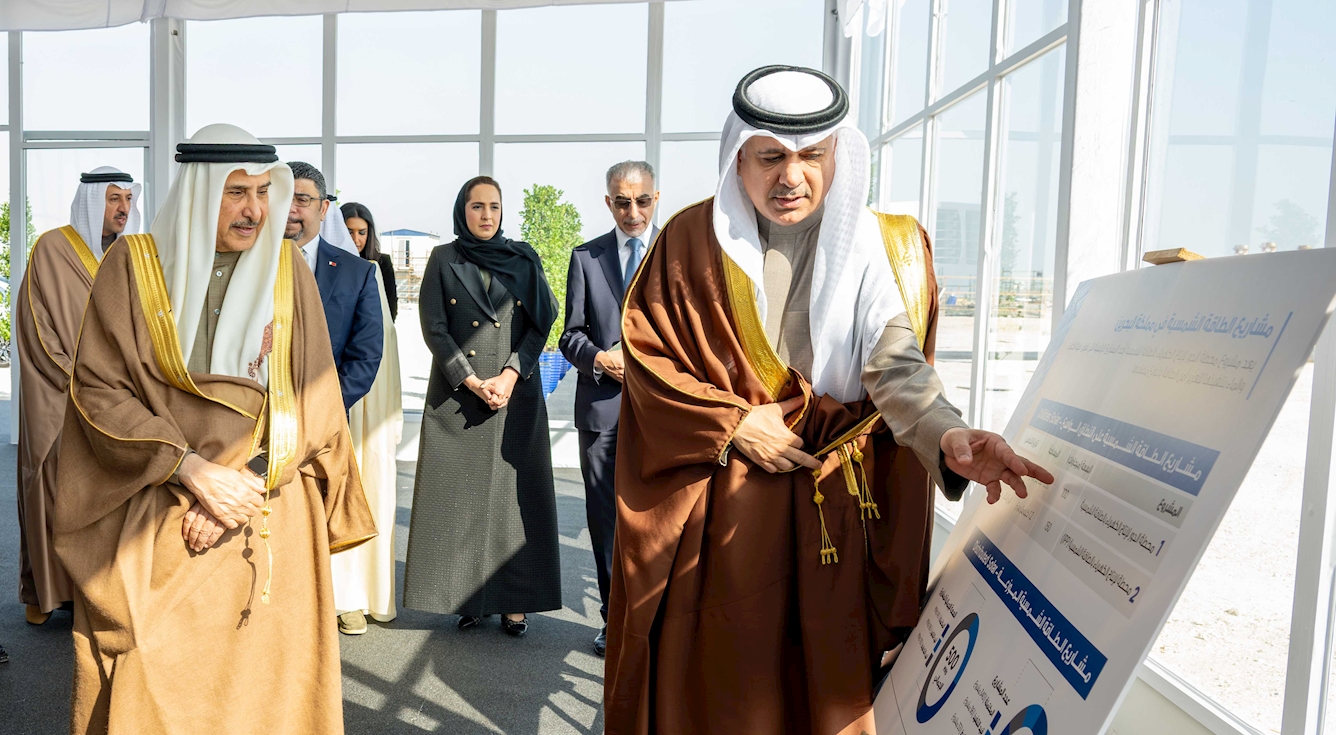
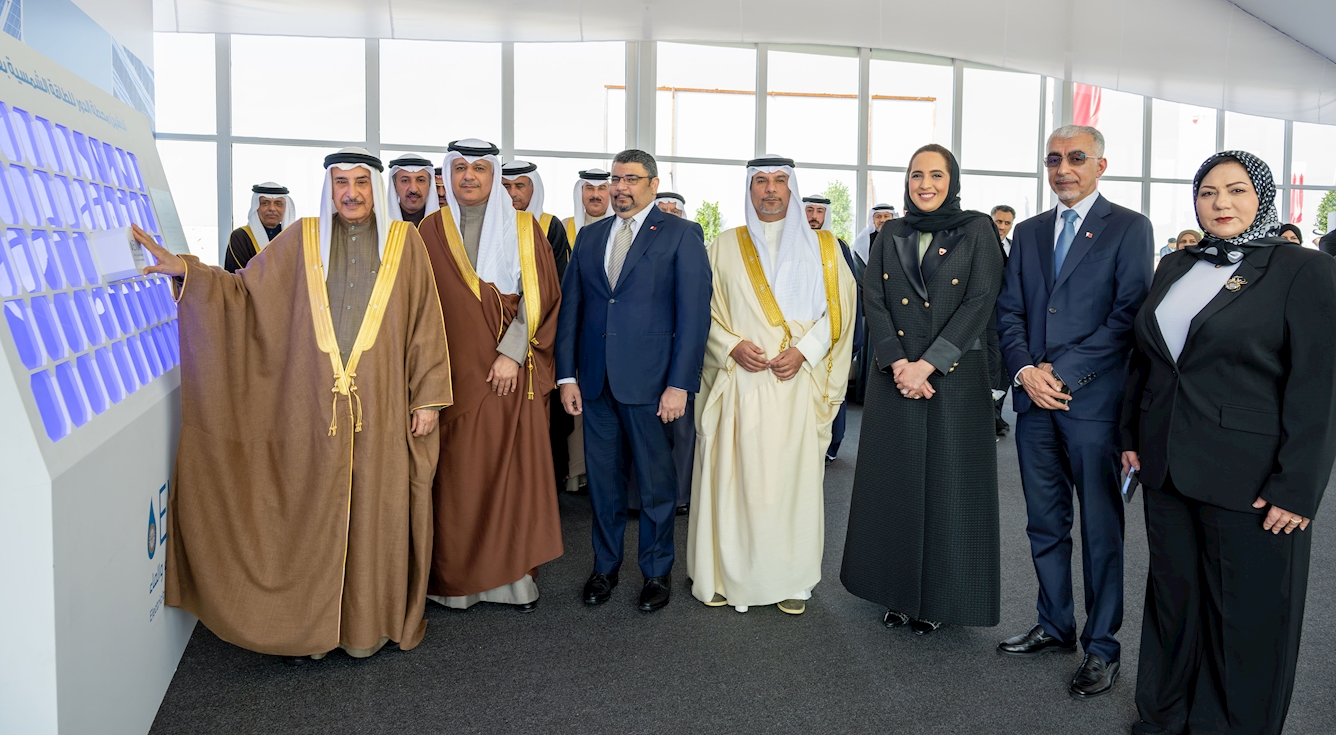
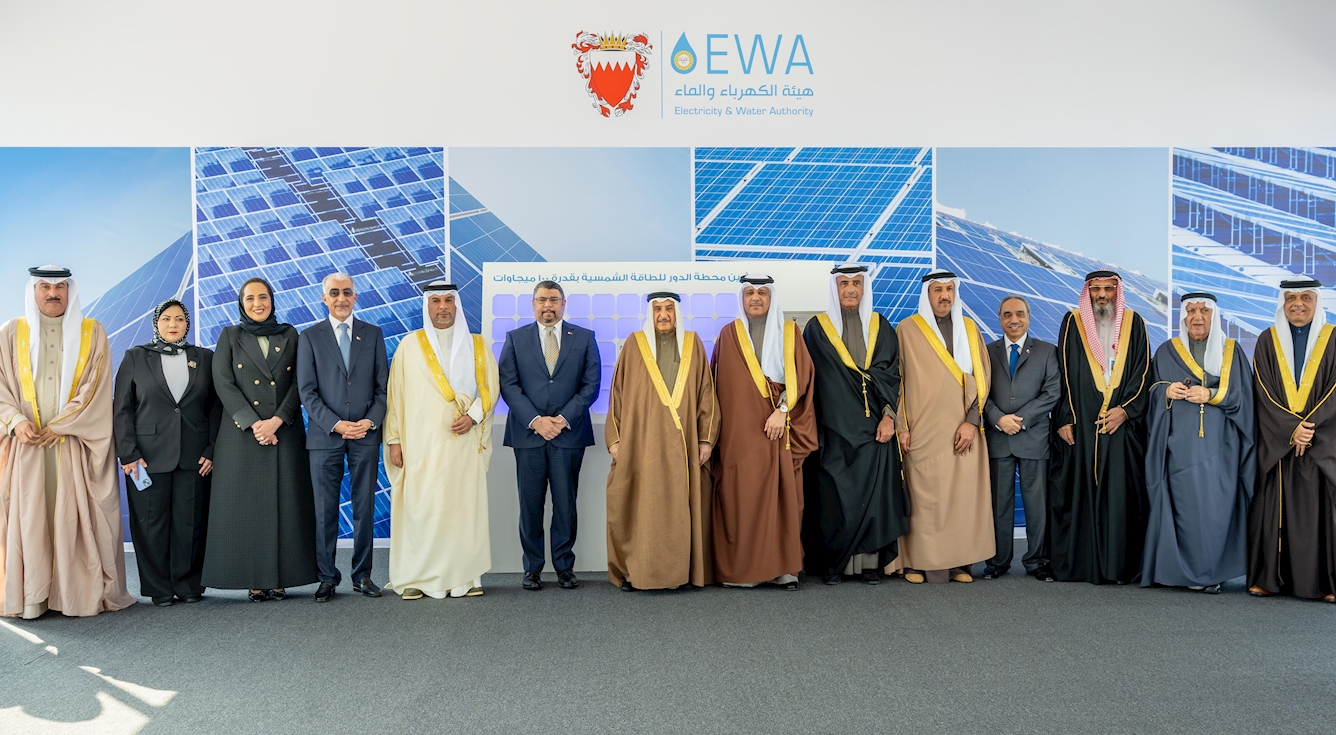
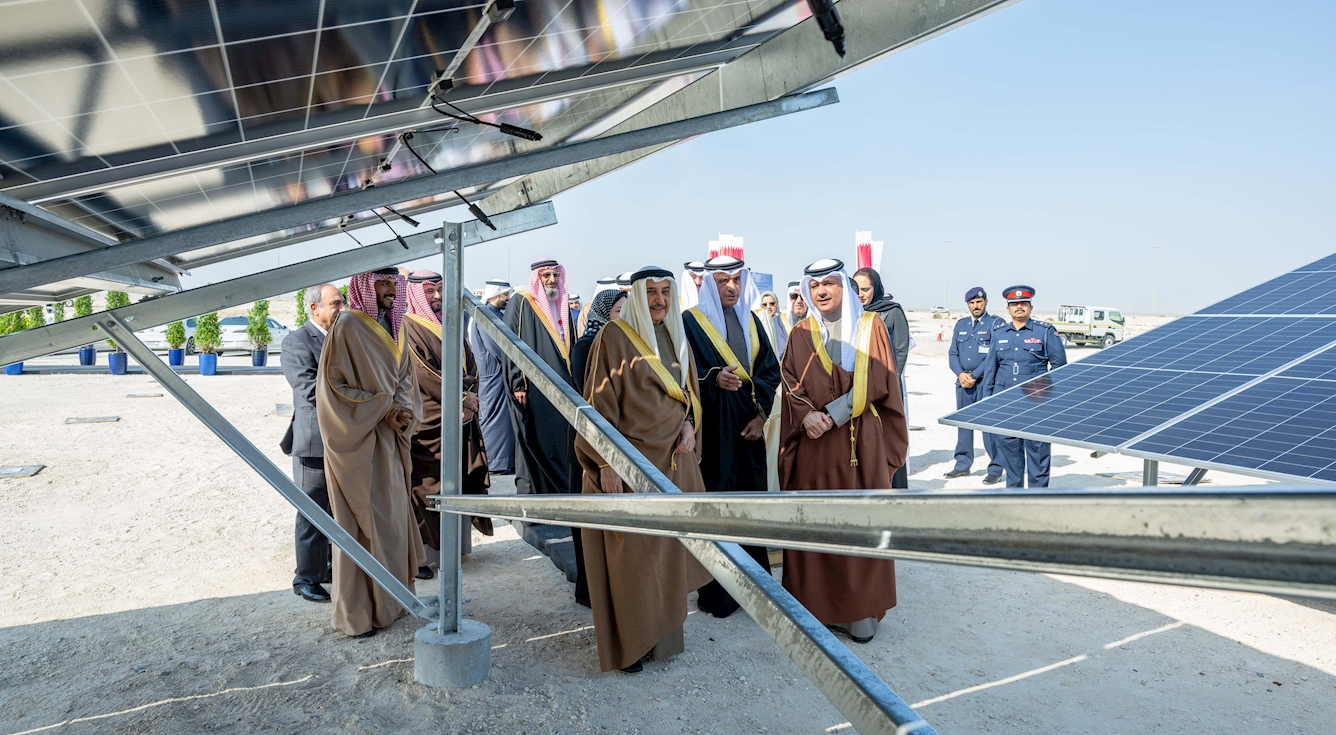
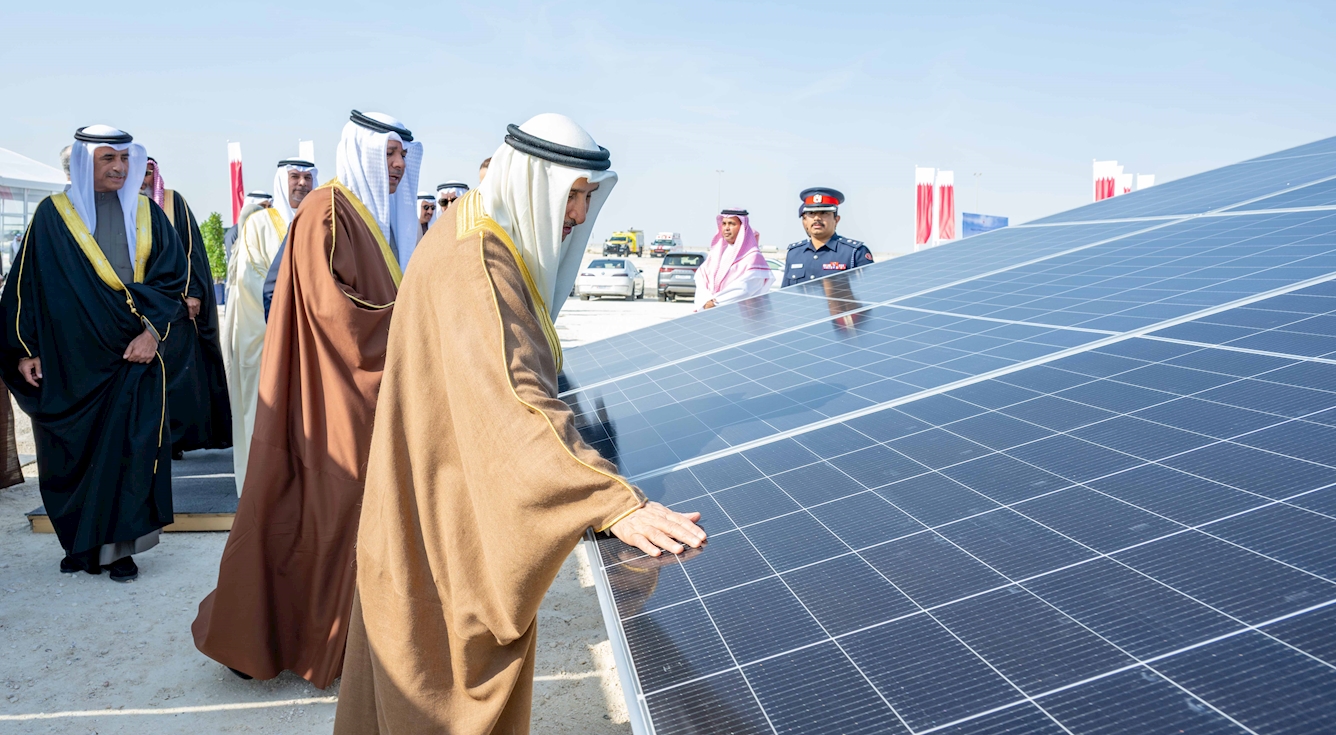
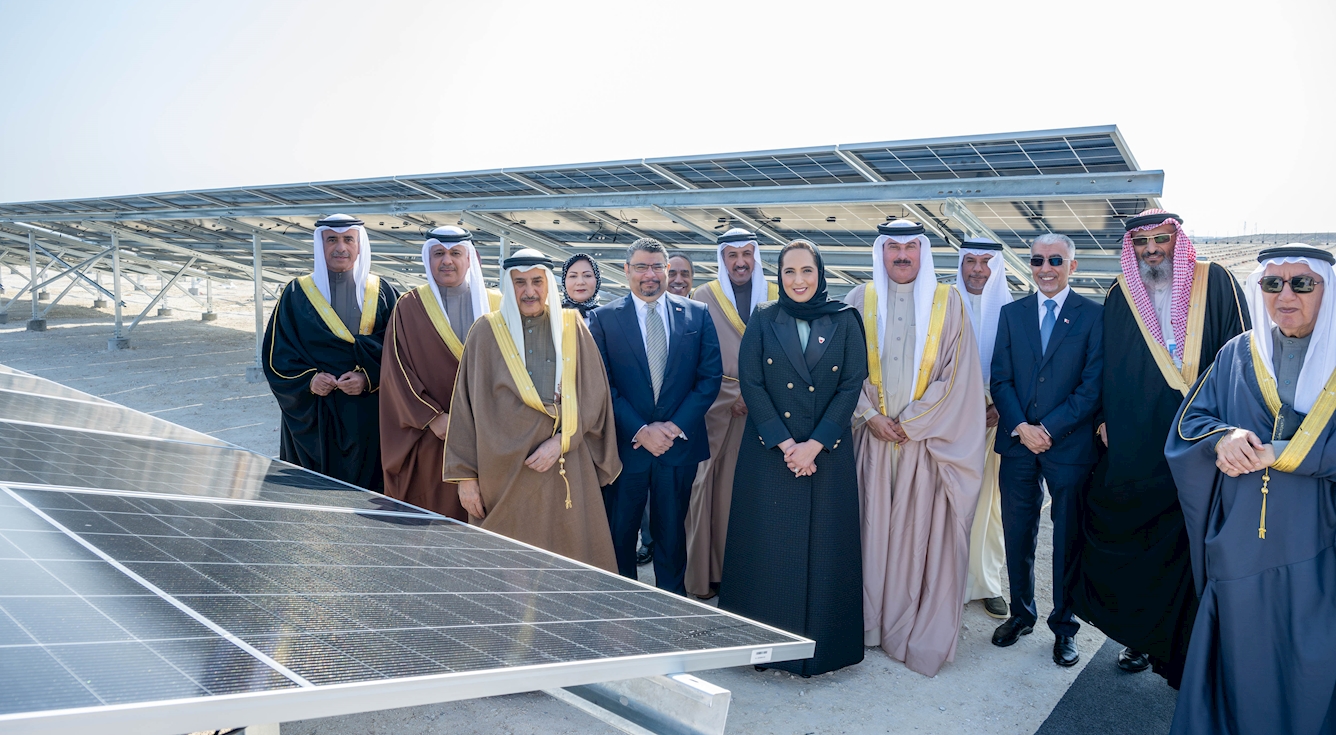
Shaikh Khalid bin Abdullah Al Khalifa, Deputy Prime Minister, attended the ceremony to lay the foundation stone for the Al Dur Solar Power Plant project, which is being implemented by the Electricity and Water Authority (EWA) as part of its key initiatives in support of the Kingdom’s energy transition pathway.
Shaikh Khalid bin Abdullah said that the Kingdom continues to implement high-quality strategic projects across vital infrastructure sectors. He noted that these projects enhance the competitiveness of the national economy, support resource sustainability, and raise the efficiency and quality of services. He added that this approach aligns with the objectives of the comprehensive development process led by His Majesty King Hamad bin Isa Al Khalifa, and the directives of His Royal Highness Prince Salman bin Hamad Al Khalifa, the Crown Prince and Prime Minister.
The Deputy Prime Minister said that investment in advanced technologies is a key pillar in developing modern infrastructure, particularly in sectors related to supply security and service continuity. He noted that this includes integrating solar energy solutions into electricity generation to diversify sources, strengthening grid resilience, and achieving environmental and economic benefits, in line with the Government Programme 2023–2026, which supports the use of renewable energy.
Shaikh Khalid bin Abdullah said that the Al Dur Power Plant project is an important addition to efforts to develop the energy sector, as it not only provides new renewable generation capacity but also supports the national plan to gradually increase the share of renewable energy in the energy mix to 20% by 2035, in line with the National Renewable Energy Plan. He noted that this contributes to energy security, diversification of energy sources, encourages investment, and creates job opportunities in renewable energy industries.
The Deputy Prime Minister emphasised that establishing the Al Dur plant as one of the large-scale solar power stations, and connecting it directly to the electricity grid, reflects the Kingdom’s direction towards implementing centralised generation projects capable of contributing tangible quantities to the electricity system, in line with development requirements and future energy needs.
Shaikh Khalid bin Abdullah commended the contribution of private sector institutions, alongside government efforts, in implementing distributed solar energy projects, noting that this integration of roles supports the achievement of national renewable energy objectives and underscores the importance of partnership among all stakeholders involved in developing this sector.
The Deputy Prime Minister thanked Kamal bin Ahmed Mohammed, President of EWA, all EWA personnel, and all relevant entities for their efforts in following up on this vital project. He also highlighted the importance of continued coordination and integration among concerned government entities to ensure the completion of strategic projects in accordance with approved plans and with the required efficiency.
For his part, the President of EWA expressed his highest thanks and deep appreciation to His Majesty the King, and to HRH the Crown Prince and Prime Minister, for the continuous support and attention extended to the Authority, enabling it to implement its strategic projects efficiently and enhance the reliability and sustainability of its services, in fulfilment of the objectives of the comprehensive development path.
He thanked the Deputy Prime Minister for laying the foundation stone for the Al Dur Solar Power Plant project and commended his interest in key projects, his follow-up, and his support for coordination among relevant entities through the Ministerial Committee for Development and Infrastructure Projects.
He noted that the production capacity of the Al Dur Solar Power Plant project is scheduled to reach approximately 100 megawatts upon completion by the third quarter of next year, using 135,000 solar panels. He explained that the project is one of a package of initiatives being implemented by the Authority, whether in the field of distributed or large-scale solar energy, contributing to reducing reliance on conventional fuels, supporting national efforts to reduce emissions, and contributing to achieving the Kingdom of Bahrain’s commitment to reaching carbon neutrality by 2060.
Content last updated : 22 September 2026